Browse driveway sealing
Browse driveway sealing
Blog Article
Trustworthy Paving Contractor for Dependable Driveways and Roads
Selecting a trustworthy paving contractor is crucial for constructing long-lasting driveways and roads. Proper selection guarantees longevity and quality in asphalt work. Elements such as credentials, client reviews, and material expertise greatly influence the result. Comprehending the nuances of pricing and aftercare can additionally improve the selection procedure. As property owners evaluate their choices, several key aspects demand careful evaluation to obtain a satisfactory investment. What should they emphasize in their search?
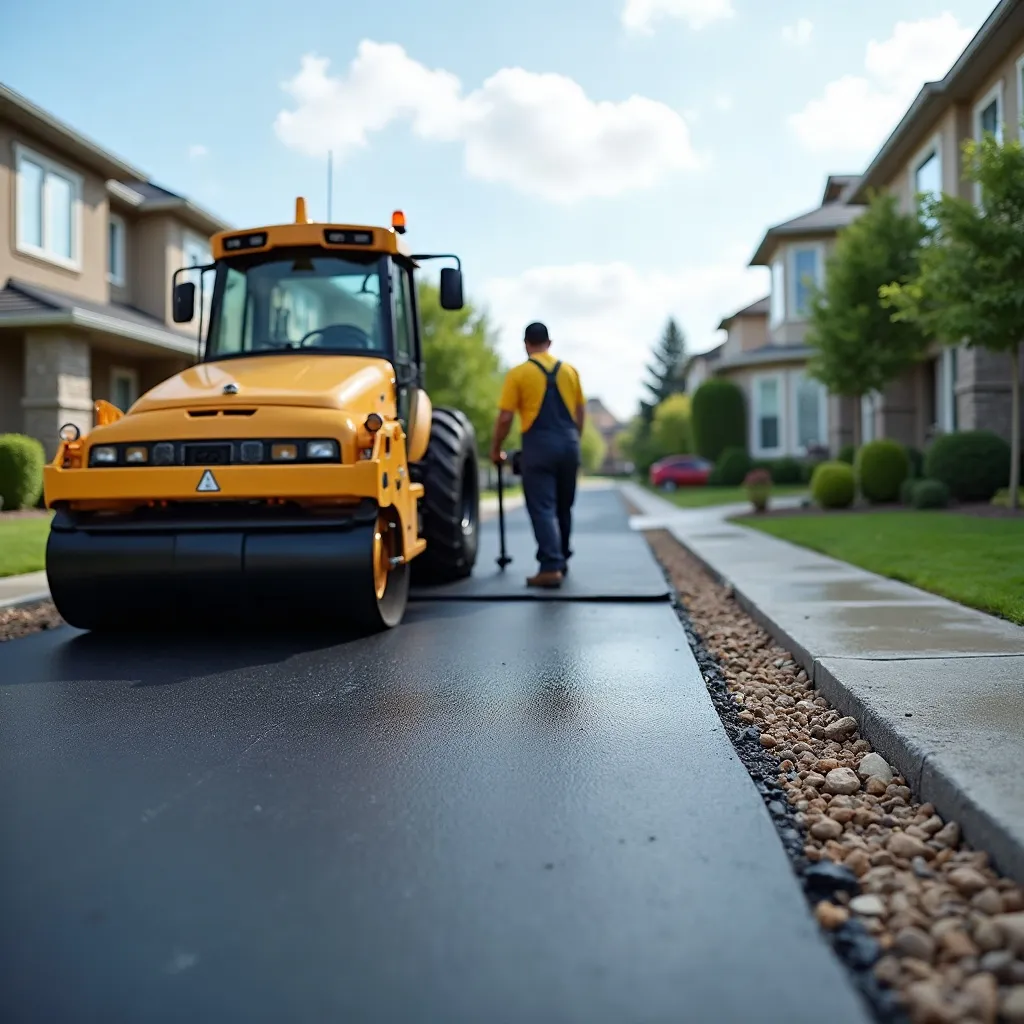
Tips for Finding an Experienced Paving Contractor
When selecting an skilled paving contractor, one might wonder what key factors to evaluate. First, it is crucial to examine the contractor's certifications, including licenses and protection, to ensure compliance with local ordinances and protection against obligations. Next, reviewing customer testimonials and past project portfolios can provide perspective into the contractor's quality of work and trustworthiness.
Moreover, gaining multiple quotes can enable you to gauge the market rate for jobs and detect any red flags, like abnormally low quotes. Experience in specific paving types, such as residential driveways or commercial parking lots, is an additional consideration because expertise usually leads to better results. Communication are also needed; a contractor must be attentive and willing to address any questions or concerns. Finally, evaluating warranties provided can show the contractor’s confidence in their work and their commitment to customer satisfaction.
Top Options for Your Driveway
When selecting options for a driveway, homeowners often consider the advantages and disadvantages of asphalt and concrete. Each option presents unique characteristics that can affect durability and cost. Additionally, gravel offers a more budget-friendly alternative but comes with its own set of advantages and disadvantages.
Asphalt versus Concrete Alternatives
Which substance delivers the best balance of strength and cost for driveway areas: asphalt or concrete? Asphalt is commonly chosen for its lower starting cost and quicker setup. It usually provides a smooth surface that can resist rough climate elements, turning it a useful choice for many home owners. Yet, asphalt needs regular maintenance, featuring protective sealing and resurfacing, to prolong its duration.
Conversely, concrete is known for its endurance and minimal maintenance requirements. With correct setup, concrete driveways can persist over 30 years. Moreover, concrete provides a variety of visual options, featuring ornate surfaces. While the initial investment is higher, the lower maintenance demands can make it a budget-friendly option over time. Finally, the choice depends on individual preferences and budget.
Gravel Advantages and Disadvantages
While asphalt and concrete are often the preferred materials for driveways, gravel presents a valid option with its unique of benefits and downsides. One important benefit of gravel is its cost-effectiveness; it generally demands a lower initial investment compared to asphalt and concrete. Additionally, gravel provides superior drainage, assisting to minimize water pooling risks. However, it also has its limitations. Gravel driveways may require regular maintenance such as intermittent replenishment and raking to keep the surface uniform. Furthermore, they can present issues with erosion and may be less stable under high traffic conditions. Ultimately, the choice to select gravel should consider both its cost-effectiveness and the homeowner’s willingness to engage in ongoing upkeep.
Analyzing Customer Ratings: What to Look For
What methods can prospective customers use to gauge the quality of a paving contractor through customer reviews? Reviewing these reviews requires consideration to specific factors. First, clients should look for overall ratings; a high average score often indicates satisfactory service. Next, the number of reviews is significant; a larger body of feedback provides a more reliable picture of the contractor's performance.
Clients should also examine the details of individual reviews. Complimentary feedback about efficiency, communication, and work quality is fundamental. Additionally, recurring observations in negative reviews, such as lacking customer service or project delays, can point to potential issues.
Furthermore, responses from the contractor to reviews reveal their professionalism and allegiance to client success. To conclude, assess reviews from diverse platforms to gain a well-rounded perspective. By zeroing in on these points, potential customers can reach well-founded determinations regarding their paving contractor.
Vital Questions You Should Discuss With Your Paving Contractor
When selecting a paving contractor, asking the right questions can greatly impact the project's outcome. It is vital to question the professional background and the kinds of work they have finished. Understanding their approach to materials and techniques can also shed light on the quality of work to expect.
Prospective clients should inquire regarding insurance and licensing to ensure the contractor meets legal requirements and is safeguarded from potential liabilities. Additionally, talking about the timeline for project completion and any possible postponements is vital.
Asking about warranties on both materials and workmanship can safeguard the investment. Finally, it's beneficial to request for recommendations or examples of prior work to evaluate the contractor's reliability and quality. These questions not only define expectations but also establish a structure for strong communication throughout the project.
Paving Prices: What to Prepare For
Understanding construction expenses is necessary for homeowners considering a project. Numerous aspects, like available materials and pricing, greatly affect the complete expenditure. Additionally, reviewing long-term value can enable in forming educated choices about paving expenditures.
Elements Controlling Asphalt Expenses
Several elements influence paving costs, making it essential for property owners to grasp the variables at play. One major aspect is the size of the area to be paved; larger spaces typically incur higher costs due to increased material and labor requirements. Additionally, site conditions, such as soil quality and drainage, can affect pricing, as extensive preparation may be needed. Local labor rates also play an important role; areas with a higher cost of living often have elevated labor expenses. Moreover, the complexity of the project, including intricate designs or existing structures, can lead to added costs. Finally, seasonal factors may influence pricing, as contractors often adjust rates based on demand fluctuations throughout the year.
Material Varieties and Pricing
Multiple paving options greatly impact paving costs, each supplying unique benefits and price ranges. Asphalt, known for its affordability and prompt installation, averages from $3 to $5 per square foot. Concrete, while more durable, can cost between $4 and $8 per square foot, subject to finish and thickness. Pavers, made from brick or stone, offer aesthetic appeal but generally range from $10 to $20 per square foot, coupled with installation. Moreover, eco-friendly paving solutions, which support water management, may cost more due to their specialized materials and sophisticated installation processes. Homeowners should examine these options carefully, balancing initial costs with desired longevity and functionality for their driveways and roads.
How Guarantees and Aftercare Services Are Important
When choosing a dependable paving contractor, the significance of warranties and aftercare services must not be ignored. Warranties act as a safeguard for customers, guaranteeing that any faults in materials or workmanship are handled at no extra charge. A reputable contractor typically provides an thorough warranty that reflects their confidence in the excellence of their work.
Together with warranties, aftercare services serve as an fundamental role in safeguarding the longevity of paved surfaces. Routine maintenance, such as protective sealing and damage repair, can prevent more extensive damage and substantial expenses down the line. A contractor that provides ongoing support demonstrates a investment in client success and the strength of their work.
Thus, warranties and aftercare services not only strengthen the value of the upfront cost but also ensure peace of mind for homeowners and businesses alike. A reputable contractor stresses these considerations, establishing trust and long-term relationships with accounts.
Frequently Asked Questions
How Much Time Will the pavement installation Usually Consume?
The paving process typically takes one to three days, based on the project's size and complexity. Factors such as weather, site preparation, and choice of materials can also affect the overall timeline significantly.
What Weather Conditions Impact Paving Work?
Weather circumstances significantly impact paving work. Rain, snow, and extreme temperatures can delay projects, while humidity levels affect the curing process. Ideal conditions, typically dry and mild, guarantee better adhesion and durability of the pavement.
How Do I Preserve My Recently Installed Driveway?
A new driveway requires frequent washing, applying sealant periodically, and repairing cracks quickly to stay in good background information condition. Preventing excessive weight and employing proper snow clearing methods are important for prolonging its lifespan and maintaining its look.
Can you locate environmentally responsible pavement choices these days?
Indeed, abundant green paving options can be found, encompassing water-permeable blocks, recycled asphalt, and alternative concretes produced from sustainable materials. These choices aid in lowering environmental burden while furnishing useful and long-lasting coatings for paths and driveways.
Will I Need a License for Paving Work?
Permits can be necessary for surface paving, according to local regulations. Homeowners should consult their municipal planning department to establish exact stipulations, guaranteeing adherence and averting potential citations or schedule delays during construction.
Report this page